
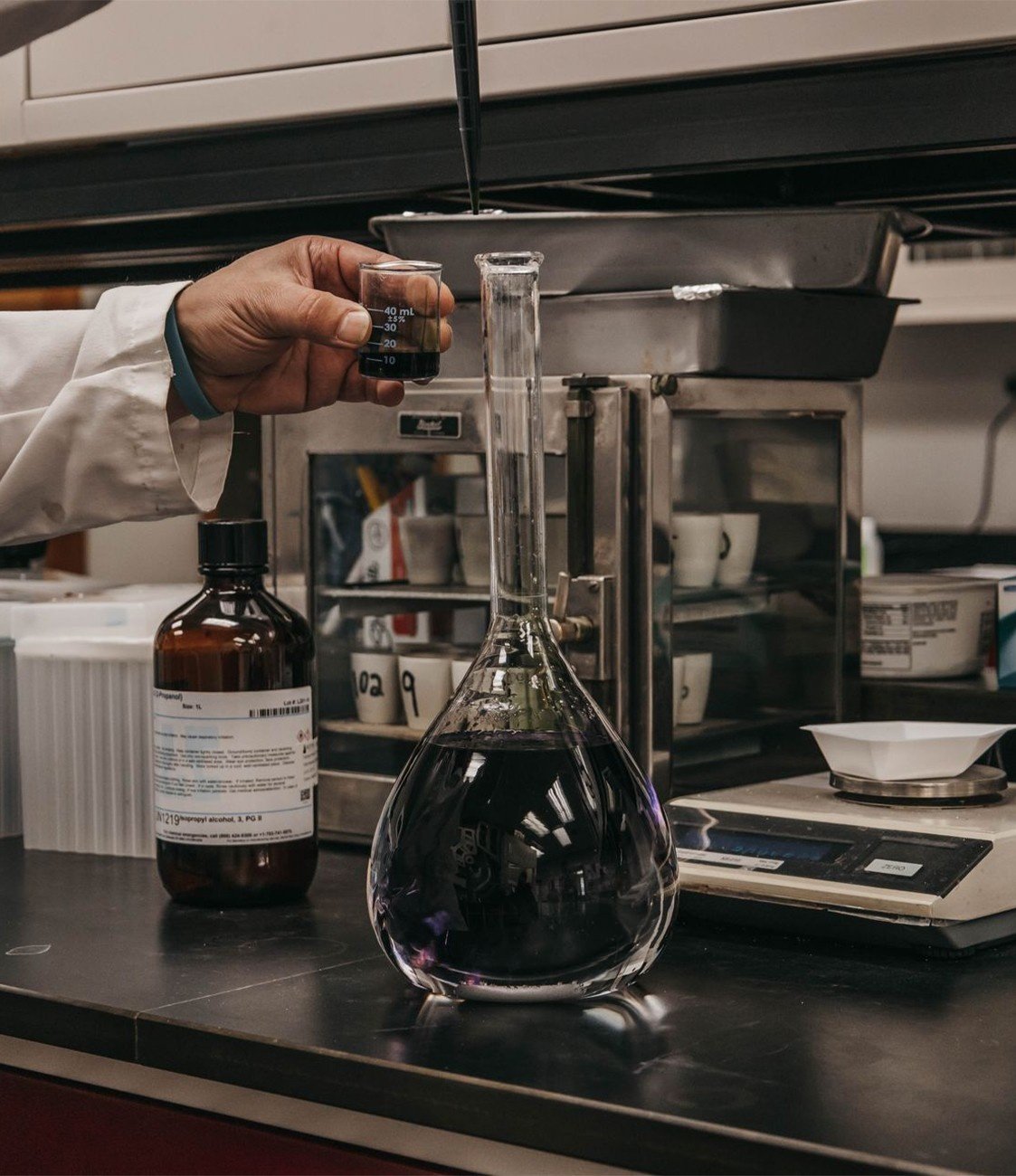
Arenico supplies nicotine ingredients to qualified business customers operating in regulated markets. We recognise that responsible supply requires more than product availability. It requires traceability, documented quality controls, safe handling, lawful trade and continual improvement.
Our approach is informed by internationally recognised principles for quality management, environmental management, occupational health and safety, and risk-based supply-chain due diligence.
We are strengthening a supply approach that is transparent, accountable and responsive to customer, regulatory and environmental expectations.
We aim to:
Nicotine ingredients require controlled handling, appropriate storage, compliant transport and authorised use. Arenico supports supply with documentation appropriate to the product and customer requirement, which may include product specifications, batch-specific Certificates of Analysis, Safety Data Sheets, traceability information, packaging details and dangerous-goods information. We expect customers, distributors and logistics partners to maintain appropriate procedures for the safe receipt, storage, handling, transport and use of nicotine ingredients.
Regulatory requirements for nicotine ingredients differ by product, application and destination market. These may include requirements relating to product registration, import permissions, licences, classification, labelling, packaging, transport and end use. Arenico reviews the stated product, application, destination and documentation requirements before confirming supply. However, each customer remains responsible for ensuring that its own operations, imported materials and finished products comply with all applicable laws, regulations and market-access requirements. Supply is intended for appropriately qualified business customers only.
We believe environmental responsibility should be practical, evidence-based and linked to continual improvement. Our focus is on establishing reliable environmental baselines, prioritising the areas within our operational influence and tracking progress over time.
We review opportunities to improve the efficient use of energy, water and materials across our operations.
We work to minimise avoidable waste, use appropriate recovery or disposal routes, and maintain suitable records for hazardous and non-hazardous waste.
We aim to reduce unnecessary packaging while maintaining product integrity, worker safety and dangerous-goods transport requirements.
We seek to improve shipment planning, consolidate loads where appropriate and work with logistics partners that support safe, compliant and efficient transport.
Customers need confidence in the identity, quality status and handling history of the materials they receive.
Our traceability approach is designed to link each supplied batch with relevant records, including product identity, supplier-lot information, quality-release status, packaging, shipment and destination-market documentation.
This supports customers’ quality systems, regulatory files and supplier due-diligence processes.
What We Record
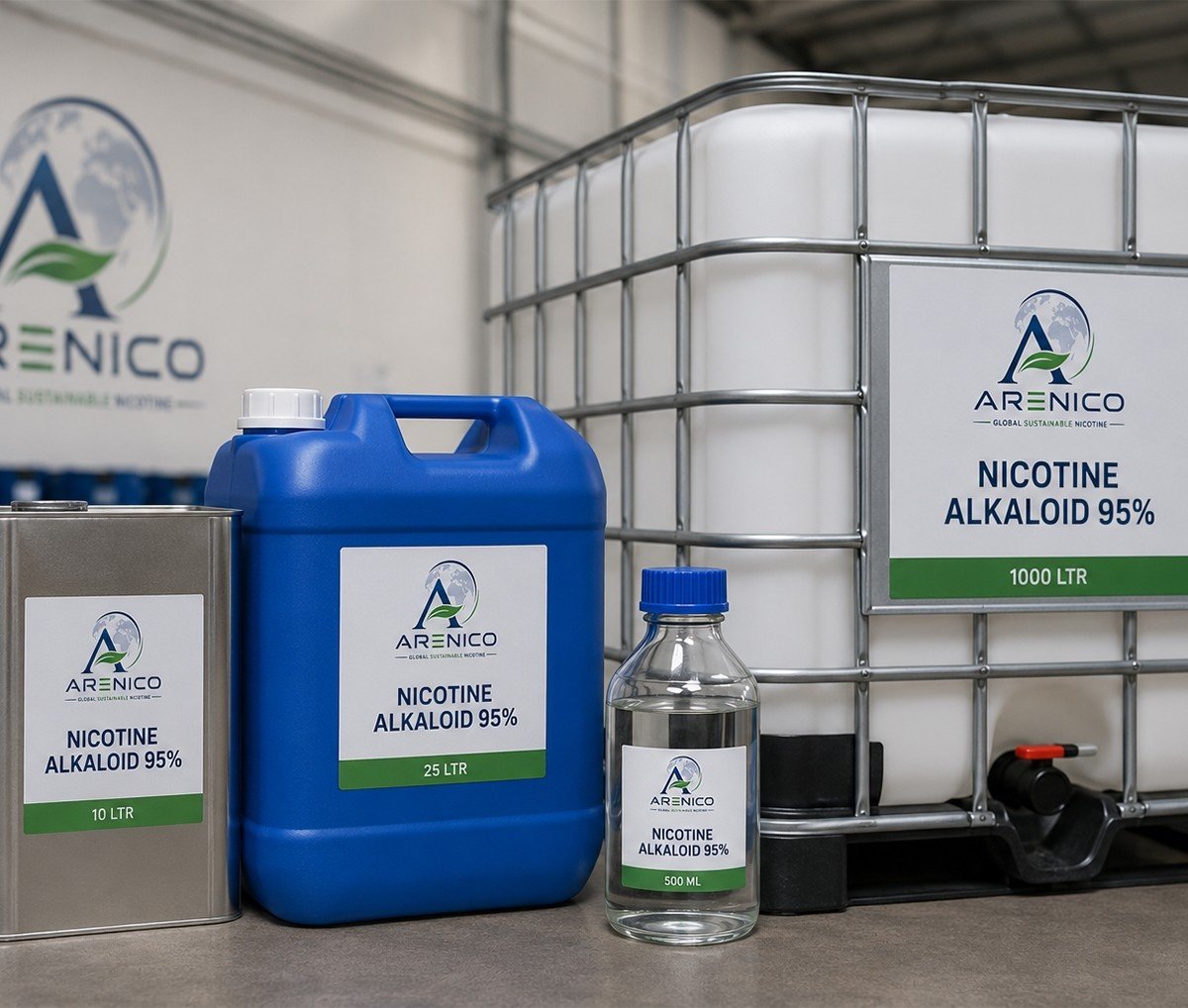

We expect direct suppliers to support responsible business practices, including lawful operations, product documentation, worker health and safety, environmental responsibility, integrity and timely communication of material changes.
Our supplier-review approach is risk-based and is being strengthened over time. It considers factors such as product quality, traceability, safety, regulatory documentation, business integrity and relevant environmental and social risks.
Our programme follows a simple principle: identify risks, measure performance, take action and communicate progress.
Our priority areas include: